
Problems we solve · Asset level · Ratings and disclosure
NABERS rating below target
“Our NABERS rating has slipped, and the next one is due before we go to market.”
A NABERS Energy rating reflects 12 months of how the building actually runs. When it slips, the cause is usually in the controls, the plant sequencing or the metering, not the age of the building. We find it in the data, fix what can be fixed without capital, then plan the upgrades that move the rating further.
NABERS in brief.
- A six-star scaleAn office building is compared with similar buildings and rated up to 6 stars. 3 stars is average and 6 stars is market leading.
- 12 months of real dataThe rating uses a full year of energy bills for the rated area, and takes account of the building’s climate, floor area and the hours it provides services.
- Base building, tenancy or whole buildingA base building rating covers the central services the owner runs, such as heating and cooling, lifts and lobby lighting. A tenancy rating covers one tenant’s space. A whole building rating covers both and usually suits a single-tenant building.
- Valid for up to 12 monthsA NABERS Energy rating for offices is valid for a maximum of 12 months, so the next one rests on the year the building is running now.
- Needed to sell or lease office spaceUnder the Commercial Building Disclosure program, most office space of 1,000 m² or more needs a current Building Energy Efficiency Certificate (BEEC) before it is advertised or offered for sale, lease or sublease. The advertising must show the NABERS Energy rating, and a first rating can take up to 4 months.
- 4 stars for carbon neutralClimate Active carbon neutral certification for an office building needs a current NABERS Energy rating of 4 stars or more.
To see how a rating relates to energy use intensity (EUI), read How to calculate building energy efficiency: EUI and NABERS explained.
01Why it happens
The usual causes.
- “The building is running on a public holiday, and nobody asked for it.”Controls have drifted Schedules extended for one tenant and never set back, public holidays missing from the BMS calendar, overrides left in place and sensors out of calibration. The plant runs longer and harder than the building needs.
- “Why are the chillers and boilers on at the same time?”Plant runs out of sequence Chillers and boilers start when they don’t need to, and heating and cooling work against each other in the same zone.
- “We’re not sure the meters are telling us the truth.”The data doesn’t add up Meters are missing, misassigned or not read, so the rating rests on numbers nobody has checked. Tenant power recorded as base building load counts against the base building rating.
- “We only find out the rating when the certificate arrives.”No plan for the next rating The rating arrives as a result, not a target. Nobody knows which changes would move it, or what each star would cost.
- “We haven’t changed anything, but the rating went down.”The benchmark has moved NABERS updated its emissions factors in July 2025, so the same energy use can now earn a different rating. From July 2030, the star rating will reward low energy use and compare all energy sources equally. A separate Renewable Energy Indicator will show the share of the building’s energy that comes from renewable sources.
02How we fix it
Four steps, one owner.
To improve a NABERS Energy rating, start with 12 months of meter data and check the rating scope. Then tune the plant you already have: schedules, set points and the order the central plant runs in. Most of the gain usually comes from this tuning, often without capital. Upgrades are planned only for the stars tuning can’t reach.
- 01Check the data and the scopeReview the last 12 months of energy data, the meters behind it and the rating scope (base building, tenancy or whole building), and estimate where the next rating will land.
- 02Tune what you already haveCorrect schedules and set points, fix BMS faults, set up economy cycles that cool with outside air when conditions allow, and sequence the central plant to the load. This is building tuning. Most rating gains start here, often without capital.
- 03Plan and fund the upgradesRank the remaining measures by rating impact and cost, and set out a pathway to the target rating. Where capital is tight, Efficiency as a Service or an energy performance contract can fund the work, subject to project assessment and agreed terms.
- 04Hold the ratingMonitor performance month by month, catch drift early and prepare the evidence for the next rating. Our in-house NABERS Accredited Assessors can carry out the rating.
What changes
A rating you can plan for, disclose with confidence and hold. 1 Denison Street went from 5 to 6 stars with no capital spend, and 4 Parramatta Square reached 6 stars within 18 months.
03Proof from our projects
Measured, not modelled.

4 Parramatta Square
Parramatta, NSW

1 Denison Street
North Sydney, NSW
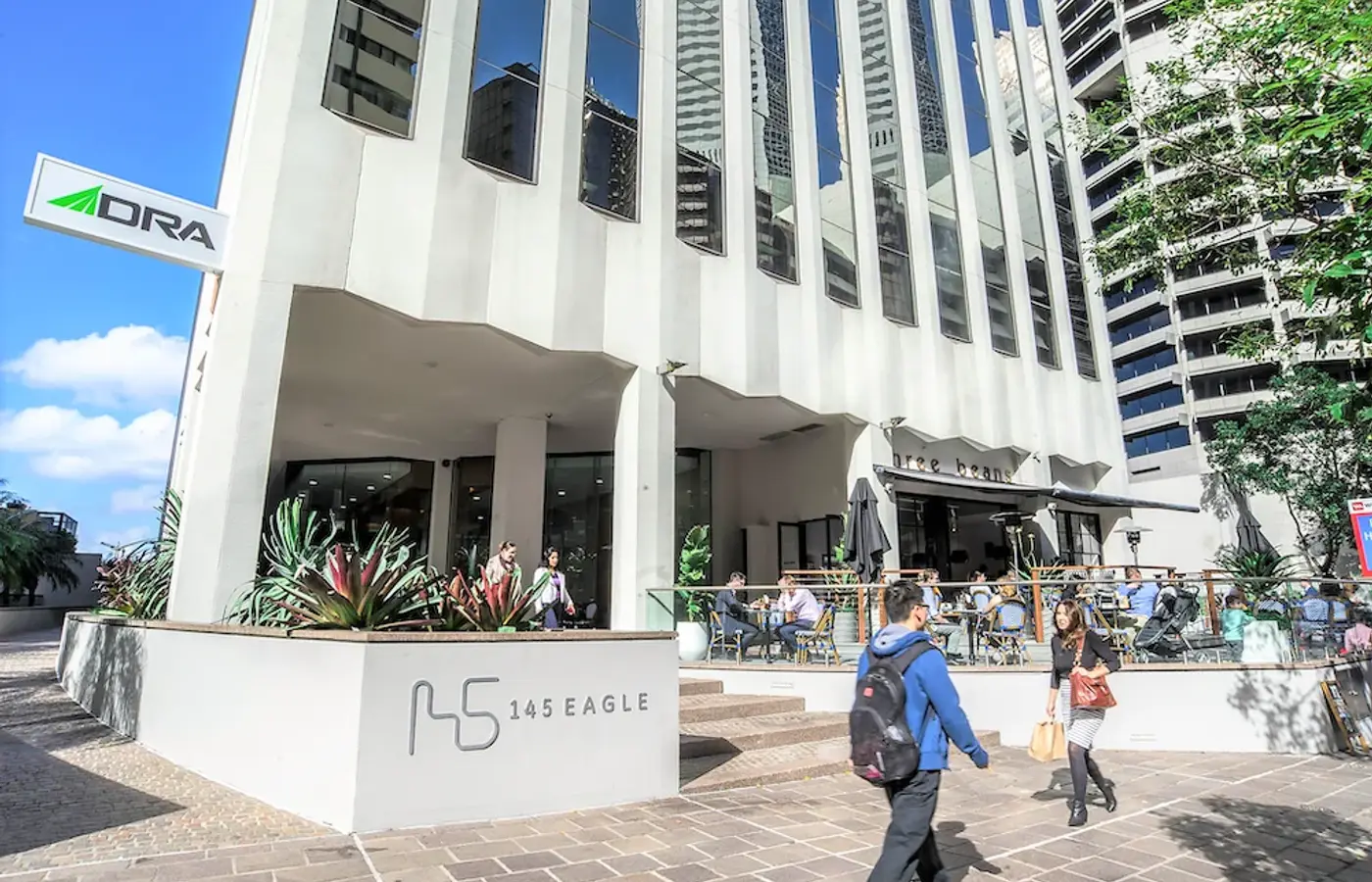
145 Eagle Street
Brisbane, QLD
04Other problems we solve
Sound familiar?
Net Zero and NABERS demands from tenants
Our anchor tenant wants a Net Zero plan and a better NABERS rating before they renew.Read more Roof · Central plant
Chillers and plant near end of life
Our chillers are near end of life. Do we replace them now, or keep nursing them along?Read more Building-wide · Metering and recharges
Tenant recharges that add up
Our tenant recharges don’t add up, and we can’t see where the energy goes.Read more