
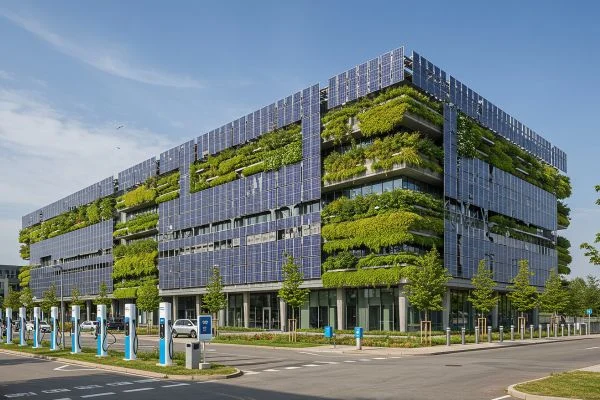
Energy efficiency in buildings is one of the facets of the modern sustainable design concept. Increasing global energy demand, with climate change effects being observable firsthand, has put energy-efficient buildings on a priority list where they were formerly an afterthought. Buildings need less energy without compromising on comfort or functionality.
Energy efficiency, therefore, is, and was never just another buzz emanating from an environmental chamber. It is the very existence that measures consumption of energy by a construct, cost amortization, and environmental impact.
Therefore, from a practical point of view, energy efficiency in buildings looks at having either the same or better performance using less energy. It is the energy used to enter, heat, cool, light, or ventilate a certain space, or power any appliance or system within a building. Essentially effective buildings are designed and given the life target to ensure minimum energy wastage commensurate with occupant comfort and a conducive physical environment.
What Is Energy Efficiency in Buildings?
Energy efficiency in buildings refers to the planning, building, and operation of buildings so that they consume the minimum energy toward the greatest human comfort. It oversees everything concerning a building, from wall insulation to lighting system and mechanical equipment-whichever means puts energy to good use.
A genuinely energy-efficient building implements both passive and active design strategies:
Passive Design: It focuses on the building’s orientation, insulation, ventilation, and illumination to reduce energy demand. For instance, window placement could provide sufficient daylight and heat in the day so that little or no artificial lighting or heating is used.
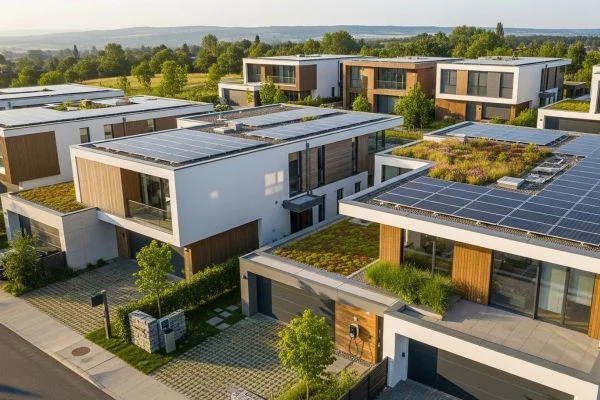
Active Design is that part of technologies and systems, including smart thermostats, efficient HVAC systems, LED lighting, renewable energy generation (solar panels), which demand active control and reduction in energy usage.
So, with these measures taken, a building can maintain high performance from construction, to occupancy, to maintenance, all the way to ultimate renovation.
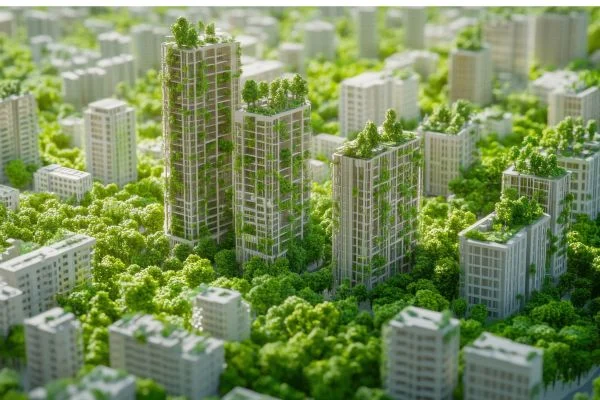
Importance of Energy Efficiency
Energy efficiency has a front role toward a sustainable future for our planet. Some main reasons for the criticality of energy efficiency in building are as follows:
Environmental Protection
Buildings consume about 40% of energy worldwide, and approximately a third of greenhouse gas emissions are generated by buildings. Hence, improving energy efficiency will directly reduce emissions and counteract global warming, as well as lessen the ecological load of human activity.
Economic Benefits and Cost Savings
Energy-efficient buildings generally require high initial capital investment but present bigger possibilities of long-term savings. Decreased energy bills, lower maintenance costs, longer life span for equipment, and all these constitute monetarily benefitting factors for the operation. For companies, having these savings spells profitability and sustained operational efficiency.
Energy Security
Being energy-efficient, buildings reduce the overall demand on power grids and thus put less demand on the consumption of fossil fuels or energy from outside. This strengthens national energy security and resilience-especially while peak demand periods are considered.
Comfort, Health, and Productivity
Energy-efficient buildings have better indoor temperature, air quality, and lighting. Researches prove that people faced with such environments experience few health issues along with better concentration and productivity, notably in commercial and office environments.
Regulatory Compliance and Incentives
The pursuit of strict building energy codes and standards is paramount in many countries. Likewise, government incentives, tax credits, and green building certifications such as LEED or BREEAM are usually within reach for developers and property owners who emphasize energy efficiency.
To put it simply, energy efficiency becomes a priority depending on saving money and charging into a cleaner environment, plus energy-any application-become independence: an energy-efficient state: well-being of people.
How Energy-Efficient Buildings Work?
In these kinds of buildings, an assortment of systems and technologies contribute toward lowering energy demand.
1. Insulation and Building Envelope
The building envelope is made up of walls, roofs, windows, and doors. It serves as the barrier that separates the indoor and outdoor environment. Energy-efficient buildings are insulated with high-grade materials so that they do not lose heat during winter and do not gain heat in summer. Other energy-performance improvements include the use of double-or triple-glazing, application of air sealing, and provision of thermal breaks.
2. HVAC Efficacy
HVAC systems are among the top energy consumers in any building. Energy-efficient HVAC systems, for example, VRF or geothermal heat pumps, use significantly less energy than the traditional ones. On the other hand, smart thermostats and zone systems make sure the energy is allocated according to time and need.
3. Smart Building Systems
Another great way buildings save energy is automation. A smart building system watches in real-time for occupancy patterns and adjusts the lights and temperature accordingly.
4. Lighting Efficiency
Energy use for lighting is decreased almost by 75% if incandescent bulbs are replaced by LEDs. Daylight sensors and occupancy recognition-based controls may further inhibit occasional use of lighting.
5. Renewable Energy Integration
The other low-carbon energy sources commonly applied in energy-efficient buildings include solar energy, wind energy, and geothermal energy. Renewable energy sources are intended to lessen reliance on fossil fuels, while in certain cases, buildings may be considered net-zero energy wherein the building generates as much energy as it consumes.
6. Water Efficiency and Energy Link
Saving water optimizes the use of water through the installation of low-flow fixtures, rainwater harvesting, and water recycling, much like energy-efficient buildings do. Heating water is highly energy-intensive; thus, saving water means saving energy.
Some Examples of Energy-Efficient Buildings
There are many other instances of energy-efficient buildings around the world describing how innovation and design may go hand in hand for sustainability:
The Edge (Amsterdam, The Netherlands)
Often said to be one of the greenest office buildings ever made, The Edge tries to use as little energy as it can by combining solar power, intelligent lighting systems, and a top-of-the-line building management system. The building is practically zero energy and acts as a beacon for other commercial buildings.
The Bullitt Center (Seattle, USA)
Being considered “maybe the greenest commercial building in the world”, the Bullitt Center runs on renewable energy, composting toilets, and rainwater harvesting for all its non-potable water needs, all while proving that green buildings can also be beautiful, functional, and profitable.
One Central Park (Sydney, Australia)
The project incorporates vertical gardens, solar panels, and an internal water recycling facility. Besides that, the whole modern design is an amalgam of aesthetics and sustainability-the building consumes under 25% of energy.
BedZED (London, UK)
Beddington Zero Energy Development (BedZED) is a residential community initiated to create the least environmental impact possible. It uses passive solar heating, energy-efficient appliances, and renewable energy systems.
These energy-efficient buildings demonstrate that gigantic savings in energy consumption are possible when the right technologies and design principles are used to construct spaces that inspire and also provide comfort.
Improving Energy Efficiency in Commercial Buildings
Needless to say, commercial buildings consume a huge amount of energy daily—from offices and shopping centers to hotels and hospitals. So, improving energy efficiency in commercial buildings is a solution that benefits the environment and serves better in terms of economics in the long run. These strategies not only improve overall sustainability but also help significantly reduce energy consumption in commercial buildings, leading to lower operational costs and better long-term performance. These improvements also highlight the broader benefits of decarbonisation, as reducing energy use directly lowers carbon emissions and supports sustainability goals.
Energy Audits and Benchmarking
Energy auditors identify where energy is lost and the modes of wastage. Benchmarking against other similar buildings would show potential savings. During this process, building managers can assess and calculate energy efficiency, comparing energy consumption with building performance to pinpoint inefficiencies and set measurable improvement goals.
Upgrade Lighting and HVAC Systems
LED lighting retrofits and HVAC installations can reduce energy use by 40%. Such efficiency may be further enhanced by the use of smart thermostats and sensors.
Retrofitting and Modernizations
Other very good energy-saving interventions are in old buildings, especially retrofit with insulation, double glazing, and control systems. This is also where energy infrastructure improvement services play a crucial role, helping buildings replace aging utilities, upgrade electrical and mechanical systems, and optimize overall energy performance.
Building Energy Management Systems (BEMS)
Over here, modern energy management systems monitor and control the building’s mechanical and electrical systems in accordance with performance criteria. BEMS could, for example, maintain lighting, heating, and cooling depending on whether people are inside or on weather conditions outside.
Behavioral and Operational Changes
Encouraging employees to practice energy-saving actions, such as switching off lights, computers, and other equipment when they are not in use, will accumulate great energy-saving benefits in the very long run.
Integration of Renewable Energy Sources
The installation of solar panels and purchase of green energy from a green supplier will help commercial properties to reduce their emissions and operational costs; on the other hand, these are avenues through which commercial properties can sharply reduce energy costs and at the same time build sustainability credentials.
Conclusion
The energy efficiency of a building has been gaining importance in the design of buildings and setting sustainability goals since the ever-increasing trends of global warming and environmental deterioration are overshadowing considerations of economic factors. Multiple possibilities exist for this purpose, from creative materials or smart technologies to retrofitting with renewable energy. And these possibilities continue to grow.
If understood and applied in real scenarios, energy efficiency of buildings brings about considerable benefits in minimizing operational costs, going a bit further to ensure occupant comfort, and lessening environmental impacts. Each of these stages- designing energy-efficient buildings, retrofitting commercial buildings, applying renewable energy technologies- stands as a step toward building a sustainable future.