
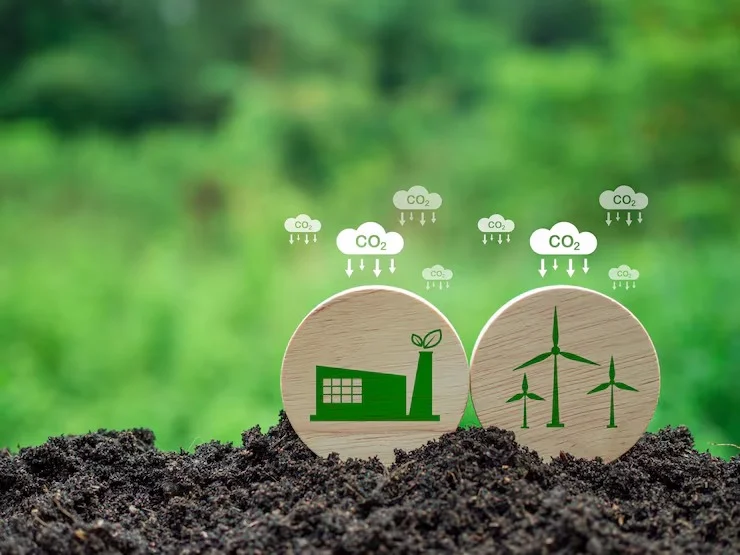
With climate change as one of the hottest global topics today, it’s hard to have a conversation about it without touching on carbon emissions. When someone asks, What is low-carbon energy, what exactly comes to mind? Low-carbon energy, in a more familiar term, is ‘renewable,’ ‘clean,’ or ‘green’ energy, but it has a unique meaning.
This post clarifies the true meaning of low-carbon energy, its types, examples, and how you can start using low-carbon sources to power your business or home.
What is Low-Carbon Energy?
When we say “low carbon energy,” we mean power sources that release very little or no greenhouse gas when producing electricity or heat. In short: energy that doesn’t muck up the climate too much. Low-carbon energy entails sources like solar, wind, nuclear, and hydro. Energy that doesn’t burn coal or oil in big, smoky factories.
But why does this matter? It matters more than ever because planet Earth is getting hotter than it should. In 2023, the global carbon dioxide (CO2) emissions from various energy sources rose, again, to 37.4 billion tones. That’s a new record high, a 1.1% increment, or 410 million tonnes. That means the Earth’s atmosphere has more heat trapped in it, which results in wild, unpredictable weather globally and risks to lives on land and sea.
So, if we were to embrace the use of low-carbon energy, we could power our lives more efficiently and safely, without torching Mother Earth.
5 Key Types of Low-Carbon Energy with Examples
Generally, low-carbon energy sources are non-combustible, meaning they don’t need burning oxygen to produce energy. The only exception is biomass. Here are the five major kinds of low-carbon energy used globally today:
1. Solar Power
Now that you know the answer to “what is low-carbon energy,” at the mention of it, one energy source always rings in mind: solar. Sunlight is free and is the easiest source of energy accessible to almost everyone. All you need are solar panels. It is an effective Strategies to Reduce Energy Consumption in Commercial Buildings
Solar power utilises photovoltaic (PV) panels or solar thermal technology to generate electricity. Once the solar panels are up, there’s almost zero CO2 produced when electricity is generated. It’s one of the best sources of clean energy for homes, remote locations, or companies with big solar farms.
In sunny areas, say Australia, solar can work great. It’s also booming in many other places around the world.
2. Wind Power
Wind turbines, those big spinning fans, can make clean energy. Like the sun, wind doesn’t burn anything, so no smoke, no CO2. The advantage of wind power turbines is that they can work on land or sea; all that matters is the strength of the wind. Besides, it helps to reduce carbon emissions.
Wind power can also be scaled up by using small turbines for remote areas and huge wind energy harvesting farms for cities. Solar, combined with wind, already contribute a huge chunk of the low-carbon energy sources that are increasingly growing in popularity.
3. Hydropower
This is where moving water is used to spin powerful turbines in rivers and dams to produce electricity. Here, again, no fossil fuel is required, so no smoke, meaning no CO2. Hydropower is especially effective where there are powerful rivers and sufficient rainfall throughout the year.
Hydro has powered many countries for decades. It’s stable and often runs day and night (unlike solar that needs the sun).
4. Nuclear Energy
Yes, atomic energy is low-carbon. Still doubt it? Let’s break it down in simple terms. What is low-carbon energy? We said that it’s energy produced where no or very little greenhouse gas is emitted. In producing nuclear energy, uranium atoms are split through a process known as nuclear fission to release huge explosive energy as a by-product. No CO2 is produced. Of course, the science behind it is complex, but in a nutshell, that’s what happens, really.
Nuclear plants produce a lot of heat, which is used to generate steam that spins turbines. There’s no burning of coal or oil, so greenhouse gas emissions are very low when compared to plants that use fossil fuels. One of the countries that relies heavily on nuclear energy is France; about 70% of its electricity is from uranium.
Yeah, some folks worry about waste or accidents. That’s valid. But when you think about it in terms of carbon-counting, nuclear is classified as a heavy-hitter, low-carbon player.
5.Other Low-Carbon Energy Types (Biomass and Geothermal)
Other than the four major types, other low-carbon energy sources include biomass and geothermal.
While biomass sounds like it doesn’t belong in this group, the truth is, it does. It’s regarded as a low-carbon source because it performs way better than fossil fuels. Generating energy from biomass entails burning organic matter like wood and other organic waste, but done right and sustainably. One of the biggest biomass power stations globally is Yorkshire’s Drax Power Station.
Geothermal energy sources involve tapping the heat from the ground, especially in regions with geothermal activity. Here, the heat is used to produce steam that in turn spins turbines to generate electricity. A good example of such a plant is the Olkaria Geothermal Power Plants in the Great Rift Valley in Kenya, Africa’s first and largest.
Why Low Carbon Energy Matters — The Big Picture
Our world is thirsty for power. The cause for this is population growth, technological advancements, and economies getting bigger and bigger. As for now, the energy that keeps all these things running is from fossil fuels. In 2023 alone, fossil fuels (gas, coal, and oil, etc) accounted for 82% of global energy used.
Clearly, that puts us in a bad position, as far as saving the planet is concerned. When the use of fossil fuels is high, it means more CO2 is released into the atmosphere. And that means more global warming.
In 2022, CO2 emissions from energy-related activities reached a whopping 36.8 gigatonnes, as the IEA reports. It rose to 37.8 gigatonnes in 2023, which shows the world hasn’t been doing well in cutting down greenhouse gas emissions.
This rise in global CO2 emissions is harsh to the planet, resulting in unpredictable weather patterns. More floods, storms, and even drought. Low-carbon energy is important because it helps slow down and can even reverse the damage caused. If more nations switch to relying on clean energy sources, Earth gets a shot.
Low-carbon energy isn’t just good for our planet, but it also allows electricity prices to be lower over time. This is very true with solar and wind, once the infrastructure is built.
The Challenges and Why It’s Not a Magic Fix
We all want a safe planet to live in and allow future generations to thrive in. Low-carbon energy seems like the answer we need. But it’s not a silver bullet. There are several challenges that must be overcome for low-carbon sources to achieve commendable results. These include:
- Some low-carbon sources need big upfront investments (like nuclear, hydro dams, grids for solar/wind).
- Building infrastructure is slow. Changing old coal or oil plants takes money and time.
- Wind or solar depends on weather and geography. Not everywhere is perfect.
- Cleaner doesn’t always mean harmless — hydro dams might affect nature/wildlife, biomass can cause land use issues.
So, for the planet to switch fully to low-carbon energy sources, it requires thought and balance.
A Global Need—Not Just for Wealthy Nations
After everyone is sensitised to “what is low-carbon energy,” the next objective is to help nations understand and embrace the idea of low-carbon energy wholeheartedly. This is because climate change doesn’t care about the borders, whether you’re in India, Australia, the US, or the UK.
Reports show that global energy demand keeps climbing. In 2024 alone, all energy sources rose by about 2%, hitting a record-high energy use. This explains why low-carbon energy needs to spread everywhere: cities, farms, deserts, and islands. Whether your business is based in Australia, Europe, Asia, or Africa, adopting low-carbon energy helps everyone, not just your region.
Plus, many regions are already blessed with nature’s gifts: sun, wind, and water. Use them smart.
Conclusion — Don’t Wait. Start Thinking Low Carbon
So what is low-carbon energy? It’s our planet’s lifeline wrapped in electricity and heat. It means using solar, wind, hydro, nuclear or other clean energy instead of fossil fuels. It means powering our homes, schools, and factories — while trying not to burn the planet.
Switching to low-carbon energy isn’t just nice. It’s vital. For Earth. For future kids. Looking for ways to incorporate low-energy into your energy projects? Let Conservia help.