
Decarbonisation is one of the most urgent challenges the world is facing right now. But what is decarbonisation and why does it even matter? As the word suggests, it has everything to do with reducing the carbon dioxide (CO2) produced across every sector of the economy.
This ranges from how we produce energy to how we manufacture, transport, or build. The agenda behind decarbonisation is transitioning from dependence on fossil fuels. It means reducing pollution from energy use, heating, transportation, and industrial processes. Not someday. Not in theory. But step by step, in real life.
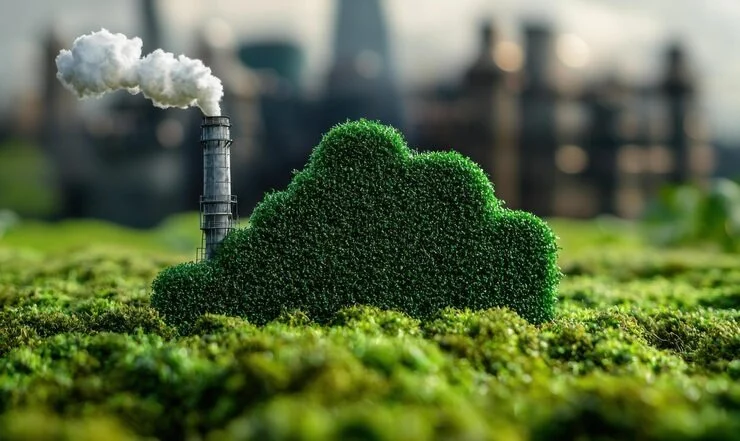
Alongside the term decarbonisation, you’ve probably heard of “net-zero” or “carbon-neutral.” These may sound big or even somewhat abstract. But decarbonisation? It’s practical. It’s about making smarter energy choices and upgrading how things run so they don’t cause harm.
What Is Decarbonisation, Really?
Decarbonisation is the systemic process of reducing carbon dioxide and other greenhouse gases emitted into the atmosphere. These gases act like an insulator, trapping heat from the earth, contributing to climate change, as the United Nations explains it. The longer we continue to use fossil fuels (diesel, gas, oil, coal), the more emissions stack up in the atmosphere.
Through decarbonisation, we can change that script in these ways:
- Using less energy
- Switching to cleaner energy
- Improving equipment and systems
- Changing industrial processes
- Rethinking transport and supply chains
This shift is particularly gaining momentum in Australia with its commitment to net-zero emissions by 2050 as per the 2015 Paris Agreement.
But here’s the thing. Decarbonisation isn’t just a government policy. It’s something businesses, councils, schools, hospitals and even factories need to plan for. And plan smartly.
Why Decarbonization Is Important
Let’s talk about why decarbonization is important (yes, we’ll use the American spelling here because you’ll see it everywhere in global reports).
First, climate risk is real. CSIRO points out that Australia is already experiencing the impacts of climate change, through rising temperatures, longer wildfire seasons, and frequent extreme weather.
The second reason is that energy cost is increasingly becoming unpredictable. Fossil fuel swing. Electricity markets shift. Efficiency and renewables offer more control.
The third and more often overlooked reason is to attract investors and offer better customer care. Many large organisations now require suppliers to report emissions. Frameworks like the Greenhouse Gas Protocol provide global standards for measuring emissions. If your business can’t show progress, you risk falling behind.
When you look at it, decarbonisation doesn’t just revolve around environmental preservation. It’s also about staying competitive, resilient, and surviving in the long run in this rapidly evolving market.
How to Decarbonize: Where to Start
Now that you know the answer to “what is decarbonisation”, next, how do you decarbonise? You don’t have to worry about the complexities all at once. Neither is it about ripping everything out tomorrow. It’s about creating and following a structured path:
Step 1: Measure Your Carbon Emissions
It’s almost impossible to efficiently reduce your CO2 emissions if you don’t measure it. Measuring energy use and operational impact is the essential first step toward reducing carbon emissions in a structured and measurable way. Most organisations begin with a carbon audit. This looks at electricity use, gas consumption, fuel use, fleet vehicles, waste, and supply chain impacts.
The Greenhouse Gas Protocol breaks emissions into Scope 1, 2 and 3 categories: direct emissions, purchased energy, and supply chain emissions. Understanding your footprint gives you a baseline.
Step 2: Enhance Your Energy Efficiency
For most people, improving efficiency means installing new equipment. But if you’re focused on how to decarbonise properly, it should be to cut down waste. Improving energy efficiency is the quickest way to effectively cut emissions. Overall, efficiency improvements can deliver 40% or higher emissions reductions required globally.
Some of the most common upgrades you could start with include:
- LED lighting
- Smart building controls
- Efficient chillers and HVAC systems
- Insulation improvements
- Upgraded motors and drives
These changes lower energy demand. Lower demand means fewer emissions. Simple maths. Organisations across Australia partner with energy infrastructure improvement services to identify and deliver these upgrades with measurable performance outcomes.
Step 3: Electrify Where Possible
It’s not surprising that there are facilities and buildings that still rely on diesel or gas. For instance, powering generators during power outages. Electrifying such buildings means switching from systems that rely on fossil sources to fully electric alternatives. These can be heat pumps in place of gas boilers, solar panels instead of generators, and so forth.
Pairing electrification with renewable electricity can contribute significantly to reducing emissions.
Step 4: Integrate Renewable Energy
After cutting your waste and electrifying where possible, the next step is replacing your energy sources with cleaner alternatives. This may include:
- Installing rooftop solar
- Creating battery power backup.
- Renewable energy contracts
- Signing power purchase agreements (PPAs)
By going for renewable energy sources, you’re reducing your dependency on fossil fuels. With time, this can stabilise energy costs. But, and this is important, renewables work best when combined with efficiency upgrades first.
Which Sectors Need to Decarbonize Urgently?
Short answer? Almost all of them. But some sectors carry a heavier weight when it comes to emissions. If we really mean business when it comes to reducing carbon faster, a few sectors need urgent action compared to others. Let’s see which areas these are:
1. Power Generation
This is the big one. Production of electricity carries a bigger weight, making it one of the largest sources of carbon emissions worldwide. In the case of Australia, coal has been the biggest player, historically, when it comes to generating electricity.
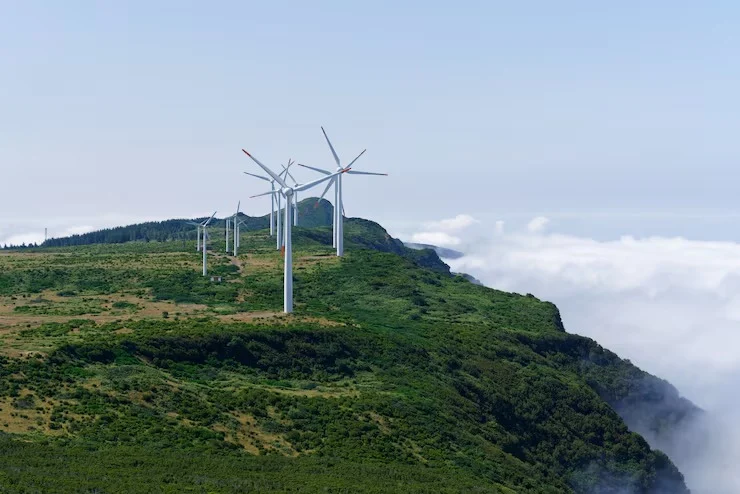
But the good news is that renewable energy is rapidly growing. Wind and solar are expanding across Australia, as large-scale batteries help stabilise supply.
Embracing cleaner sources of electricity comes with a ripple effect. When the grid gets cleaner, electrification in buildings and industry becomes even more powerful.
2. Transportation
Most modes of transportation you can think of rely on fossil sources of energy, from cars, trucks, ships, to aeroplanes. Transport contributes a huge chunk of CO2 emissions. So, switching to electric vehicles, enhancing public transport, and embracing cleaner fuels can significantly reduce carbon pollution. Logistics companies, fleet operators, and councils have an important role to play.
3. Manufacturing
Heavy industries like cement, mining, chemicals, and steel production are some of the biggest contributors to emissions. The sites often demand high heat and non-stop operations. This makes change much more complex. However, it also means the potential impact is bigger.
To efficiently cut emissions in industries, electrification, redesigning processes, and carrying out energy efficiency upgrades are important. That’s where structured planning becomes really critical.
You don’t have to struggle to find the right way of doing it. With specialist partners like Conservia by your side, you can implement infrastructure upgrades to facilitate transition without compromising productivity.
4. Commercial Buildings
Reducing energy use is one of the most effective ways to improve sustainability, and many organisations are actively looking for strategies to reduce energy consumption in commercial buildings. These include schools, shopping malls, offices, and hospitals. These buildings consume a significant amount of energy through cooling, heating, lighting, and operating equipment. They contribute about 34% and 37% of the global energy use and emissions, respectively.
The upside? Many improvements are cost-effective and proven. LED lighting. Smarter HVAC systems. Improved insulation. Building management systems. Renewable integration. So, if you’re wondering how to decarbonise in the real world, these upgrades offer the fastest and most practical way to do it.
Decarbonization Examples in Real Life
Sometimes, theory alone doesn’t cut it. Seeing decarbonisation actually happening in real life can motivate you to kickstart the process if you haven’t made up your mind yet. Here are real-world case studies where carbon reduction isn’t just a theory.
City of Melbourne – Powering with Renewables
Australia has made several strides towards decarbonisation, particularly in Melbourne. In 2020, all council-owned buildings and operations transitioned to 100% use of renewable electricity.
University of Oxford – Long-Term Net Zero Plan
This prestigious UK university has committed to achieving net-zero carbon by 2035 and has been actively working to reduce emissions across its estates. It’s doing this by upgrading its heating systems, enhancing building insulation, and abandoning fossil fuel energy sources.
Microsoft – Carbon Negative Ambition
The big tech giants like Microsoft aren’t left behind in the race to achieve net-zero emissions. Microsoft pledged to achieve this target by 2030. They’re working towards this goal by investing heavily in renewable energy sources, electrifying their operations, and funding technologies that remove carbon from the atmosphere.
Final Thoughts
To sum up “what is decarbonisation,” it’s the process of actively reducing carbon emissions by embracing smarter energy use, cleaner technology, and structured planning. Its objective is to cut energy waste, electrify systems that depend on fossil fuels, integrate renewables, and measure progress over time.
If you thought decarbonisation is all about ticking compliance boxes, it goes beyond that. It’s about building a resilient system that helps you get closer to net-zero. Understanding what decarbonisation is is the first step toward building a stronger, more sustainable future.
Are you exploring practical, measurable ways to cut your carbon emissions? Let experienced partners like Conservia help you turn your ambitions into action.