
Funding and contracting
Fund upgrades from the savings they make.
Some owners want the upgrade funded for them. Others have the capital and want the savings guaranteed. With Efficiency as a Service (EaaS), we fund the work and you repay from verified savings. With an Energy Performance Contract (EPC), you fund the work and we guarantee the savings it delivers.
Terms and guarantees depend on project assessment and are agreed with you.
* Where the agreement links payments to verified savings. Terms vary by project.
* Measured against an agreed baseline. If savings fall short of the guarantee, we reimburse the difference.
Why worthwhile upgrades wait
Limited budgets, long approvals and uncertain returns hold upgrades back, while operating costs keep rising. EaaS and EPC each take a different part of that risk off the table.
No capital availableUpgrades fundedUnder EaaS, Conservia funds the upgrade, so it does not have to compete for this year’s capex.Project delaysImprovements delivered soonerThe upgrade is delivered now, not after the next budget cycle.Uncertain returnsSavings measured and verifiedSavings are measured against an agreed baseline. Under EaaS, repayments come from what is verified. Under an EPC, the contract sets the savings we guarantee.
Which one fits?
The main difference is who pays for the upgrade. The rest follows from that.
| Efficiency as a Service | Energy Performance Contract | |
|---|---|---|
| Who funds the upgrade | Conservia | You, from capex, a grant or a funding program |
| How you pay | From verified savings, over a term of 3 to 7 years | The project cost, then you keep the savings |
| The guarantee | Repayments are linked to verified savings | Agreed savings are guaranteed in the contract and checked against the baseline each year |
| Who owns the equipment | Conservia during the term, then transferred to you at the end | You, from handover |
| Usually suits | Private owners, hotels and clubs without capex this year | Councils, universities, schools and government with capital or a funding program, often across larger sites or groups of buildings |
| Term | Usually 3 to 7 years | Usually 3 to 7 years |
Both start the same way: an assessment of your site and an agreed baseline. Which one fits usually becomes clear at that point. Terms and guarantees depend on project assessment and are agreed with you.
Option 1: we fund it
Efficiency as a Service
We fund the upgrade, deliver it and measure the savings. You repay from verified savings over an agreed term, usually 3 to 7 years, and the equipment is transferred to you at the end. Plant that needs replacing does not have to wait for a capex budget. Funding depends on project assessment and agreed terms.
- $0 upfront
- Repaid from verified savings
- 3 to 7 year term
- Yours at the end of the term
How EaaS works
- AssessWe evaluate your site, identify the savings opportunity and agree the baseline with you.
- DeliverWe fund and implement the upgrades. You pay nothing upfront.
- VerifyWe measure savings against the agreed baseline. You see measured results, not estimates.
- RepayYou pay us from the savings, not your capex budget.
What it can fund
Upgrades with clear, measurable savings.
- Ageing HVAC and central plant
- BMS upgrades
- Lighting
- Electrification
EaaS in practice · Hotel, Sydney CBD
600-room Sydney CBD hotel
The hotel’s central plant was renewed without drawing on its capital budget.
- $650kannual opex saving
- 30%efficiency uplift
- 100%of capex funded through EaaS
Is EaaS right for you?
It usually fits when several of these are true.
Have the capital already? An Energy Performance Contract may suit you better.
- Plant or systems need replacing, but the capex isn’t in this year’s budget.
- You want savings that are measured and verified, not estimated.
- Energy costs are high and savings can be measured.
- You have decarbonisation targets to meet sooner rather than later.
Option 2: you fund it
Energy Performance Contracts
An Energy Performance Contract is a way to deliver energy and water upgrades with the savings guaranteed. You fund the project. We design and deliver it, measure the savings against an agreed baseline and guarantee the result in the contract.
Design, installation and the savings guarantee sit with one contractor. The Victorian Government describes the model the same way in its energy performance contract guidance: a contractor engaged to design, implement, verify and guarantee the savings from an efficiency project. Guarantees depend on project assessment and the terms agreed with you.
- You fund the upgrade
- Guaranteed savings in the contract
- Measured each year against the baseline
- Shortfall reimbursed by us
How an EPC works
- Audit and baselineA detailed audit of your sites, sometimes called an investment-grade audit. It finds the energy and water measures worth doing, prices them closely enough to guarantee, and sets the baseline the savings are measured against.
- Guaranteed savings proposalThe measures, the price, the savings we guarantee and the measurement plan, for you to approve before any work starts.
- DeliveryDesign, installation and commissioning, managed by one accountable team.
- Measurement and verificationSavings are measured each year against the baseline and reported against the guarantee.
How the savings are proven
Measurement and verification (M&V) works out what your sites would have used without the upgrade, then subtracts what they actually used. The difference is the saving. The NSW Government’s M&V guidance explains the method in more detail.
The baseline is adjusted for things the project does not control, such as weather, occupancy and operating hours. A hot summer or a longer trading day then shows up as a change in conditions, and the saving is still measured fairly.
The M&V plan is agreed before the contract is signed, and the guarantee is measured against it. The Australian guide to M&V of efficiency projects, written for the NSW and Victorian governments, is based on the International Performance Measurement and Verification Protocol (IPMVP). Our M&V plans follow IPMVP.
What the contract sets out
- The measures, the scope and the price
- Commissioning and maintenance
- The savings guaranteed and the measurement period
- The baseline and the M&V plan
- If savings fall short of the guarantee, we reimburse the difference
Results from our EPCs
What each contract guaranteed, and what was measured.
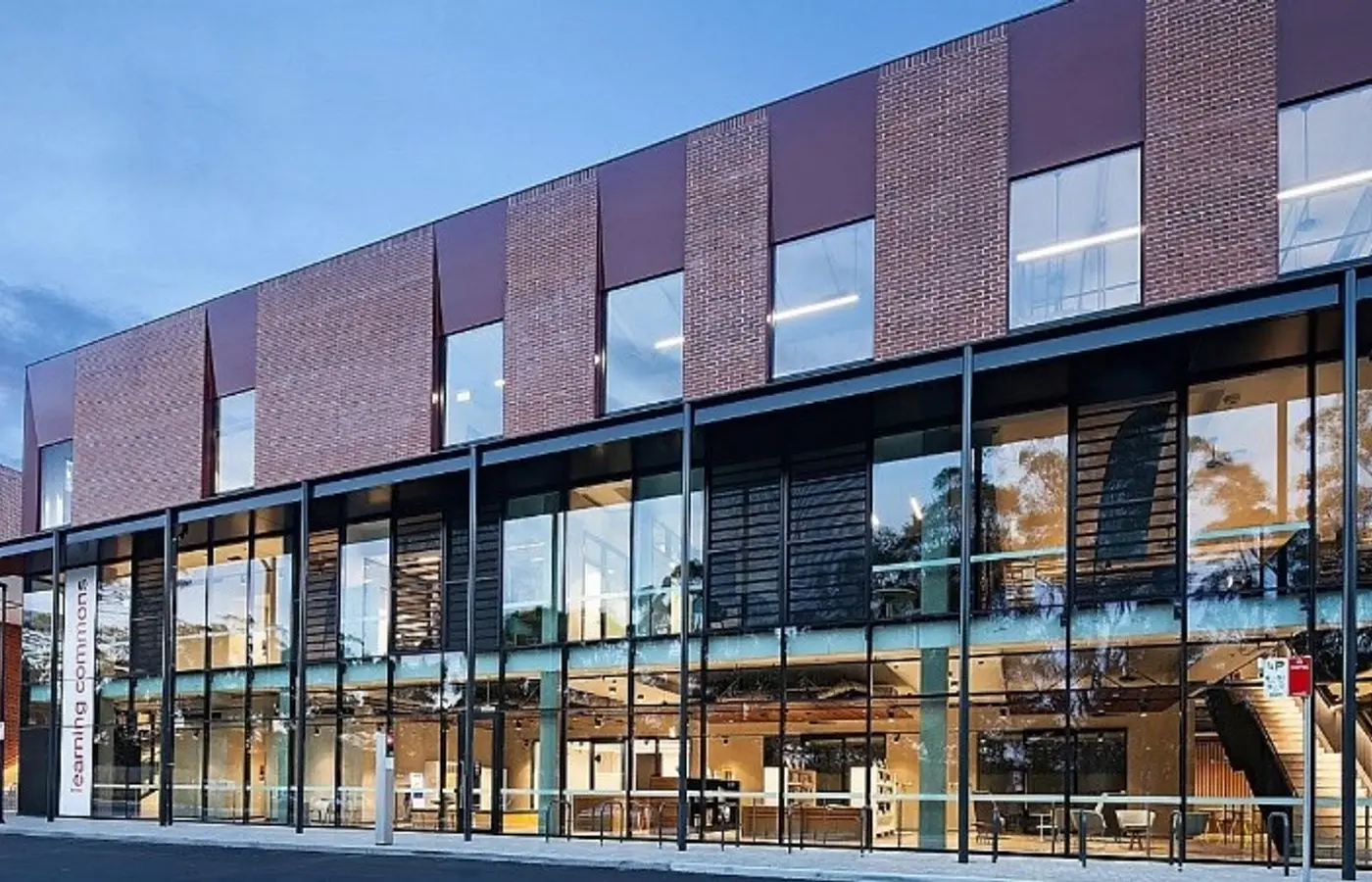
University · Bathurst and Wagga Wagga, NSW
Charles Sturt University, Stage 1
- Guaranteed$157,108 a year
- Achieved$176,831 a year
12.6% above the guarantee, with a 7-year payback.
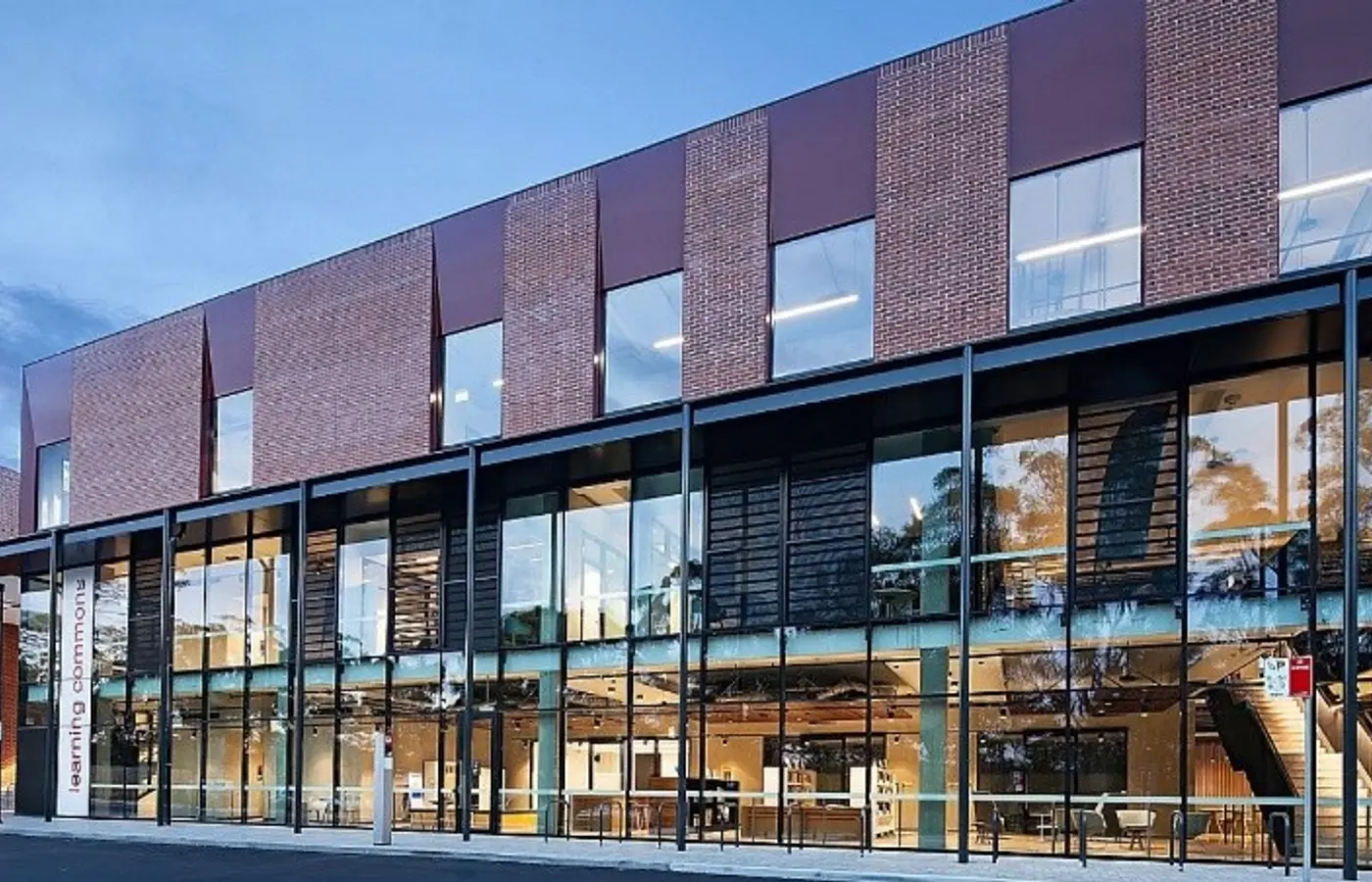
University · Bathurst, NSW
Charles Sturt University, Stage 2
- Guaranteed$18,480 a year
- Achieved$26,554 a year
43% above the guarantee, with a 5-year payback.

Schools · 15 sites, NSW
NSW Department of Education
- GuaranteedElectricity and water targets
- Achieved$416,278 a year, verified
Electricity and water savings above the guarantee, across 15 schools over a 24-month program.

Local government · Townsville, Qld
Townsville City Council
- GuaranteedContractually guaranteed outcomes
- Achieved$212k a year, 1.1 GWh of electricity
Conservia ran the EPC end to end, from assessment through to ongoing optimisation.
For councils, universities and schools
EPCs are a common way for public owners to deliver upgrades with a guaranteed result. Victoria’s Greener Government Buildings program, for example, has used energy performance contracts for government buildings since 2009. Conservia is on the Victorian and NSW government EPC panels, and we work within your procurement process.
An EPC is not the right tool for every site. The Victorian Government’s guidance says EPCs are typically used for large or complex buildings, and that a site using less than about 1 GWh of electricity a year, or with simple building services, may suit another approach. For smaller sites, EaaS or a directly delivered project is often the better fit.
Funding, contracting and accountability
Ways to fund the work. Accountability for the result.
Fund the work
Efficiency as a Service
We fund and deliver the upgrade, and you repay from savings measured against an agreed baseline.
Energy Performance Contracting
You fund the upgrade. We deliver it and guarantee the savings it makes, measured against an agreed baseline.
Alternative funding
Where it fits the project, we help identify other ways to fund the work, including government grants and programs.
Secure the result
Performance guarantees
Where a project suits it, outcomes are guaranteed and checked through measurement and verification agreed with you.
Commercial terms and guarantees depend on the project’s suitability and the verification requirements agreed with you.
Common questions
What owners and operators usually ask before choosing EaaS or an EPC.
Something else on your mind? Ask one of our engineers
Do we need any upfront capital?
With EaaS, no: we fund the upgrade and you repay from verified savings. With an EPC, you fund the project and the savings are guaranteed. Terms depend on project assessment.
How are savings measured?
Against an agreed baseline, using measurement and verification (M&V). The baseline is adjusted for conditions the project does not control, such as weather and operating hours. You see measured results, not estimates.
What if the savings fall short?
Under an EPC, if measured savings fall short of the guaranteed amount, we reimburse the difference. Under EaaS, repayments come from verified savings. Guarantees depend on project assessment and agreed terms.
Who owns the equipment?
Under an EPC, you do, from handover. Under EaaS, we own it during the term, usually 3 to 7 years, and it is transferred to you at the end.
How is EaaS different from an EPC?
Mainly in who funds the work. Under EaaS we fund it and you repay from verified savings. Under an EPC you fund it and we guarantee the savings. See the comparison for the rest.
What kinds of projects suit them?
Upgrades with clear, measurable savings: ageing HVAC and central plant, BMS upgrades, lighting and electrification. EPCs often include water measures too.
Can a council or university use an EPC?
Yes. EPCs are widely used by public owners, and our EPC work includes Charles Sturt University, 15 NSW Department of Education schools and Townsville City Council. Conservia is on the Victorian and NSW government EPC panels, and we work within your procurement process.