
Heating, ventilation, and air conditioning (HVAC) systems utilize the most energy of all the systems in residential and commercial buildings. In a number of households, HVAC systems consume almost half the total electricity every year. Besides, there are further positives like HVAC energy efficiency, setting up higher utility bills, and better indoor comfort, along with a reduced environmental footprint.
In this guide, we shall clarify what the term ‘HVAC energy efficiency’ stands for, why it is important, and—top of the list—how practical and proven strategies can be used to enhance the energy efficiency of HVAC systems. Such tips will be quite beneficial to all—homeowners, renters, and business owners alike—who want to save energy in the HVAC systems without compromising on the comfort factor.
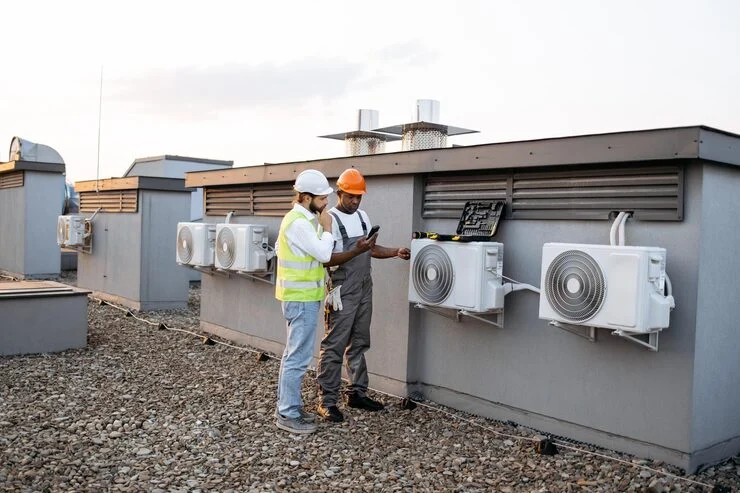
What Is HVAC Energy Efficiency?
When we talk about HVAC energy efficiency, we mean the performance of the heating or cooling system in terms of the energy it consumes and the indoor comfort it provides. An efficient heating or cooling system uses less energy to provide the same indoor comfort level.
HVAC energy efficiency is usually quantified with a combination of ratings, such as:
- SEER (Seasonal Energy Efficiency Ratio) for air conditioners
- EER (Energy Efficiency Ratio) for cooling performance
- AFUE (Annual Fuel Utilization Efficiency) for furnaces
- HSPF (Heating Seasonal Performance Factor) for heat pumps
The higher the ratings, the better the energy efficiency of the HVAC system, which translates into lower energy consumption and reduced operating costs.
Why HVAC Energy Efficiency Is Important?
Increasing HVAC efficiency has many advantages besides just receiving a smaller bill. Because heating and cooling account for a significant share of total energy use, improving HVAC performance plays a central role in achieving overall energy efficiency in buildings.
1. Less Energy Consumption
An energy-efficient HVAC unit consumes less power or fuel, resulting in significant savings every month.
2. Increased Comfort
The systems that work efficiently offer better temperature uniformity, more effective humidity control, and more air movement.
3. Positive Impact on the Environment
Energy consumption cuts back on greenhouse gas emissions and reduces your carbon footprint.
4. Longer Equipment Lifetime
Efficient systems are less strained; their aging is hence slowed down.
Recognizing that HVAC energy efficiency is one of the most crucial factors in creating an environmentally friendly and economically viable building.
Common Causes of Poor HVAC Energy Efficiency
Firstly, it is necessary to become familiar with the reasons for the inefficiency of HVAC systems before learning the methods of energy saving in HVAC systems.
- Clogged or dirty air filters
- Air leaks or poor insulation
- Oversized or outdated equipment
- Improper thermostat settings
- Complete lack of maintenance
- Leaky ductwork
Correcting these concerns might lead to considerable enhancement of performance without the need to install the whole system anew.
How To Improve Energy Efficiency of HVAC Systems?
Implementing the right energy efficiency solutions can make a significant difference in reducing power consumption while maintaining indoor comfort.
1. Change or Clean Air Filters Regularly
Air filters that are dirty will limit the flow of air, and as a result, the system will need to put in more energy.
Best practice:
- Filters should be replaced or cleaned every 1-3 months
- Inspect them more frequently during the busiest heating or cooling periods
This straightforward move is among the most uncomplicated methods to increase energy efficiency in HVAC systems.
2. Switch to a Smart or Programmable Thermostat
The energy savings in HVAC systems largely depend on thermostats.
Some advantages of smart thermostats are:
- Regulate the temperature automatically according to occupancy
- Cut down on heating and cooling when the house is empty
- Offer detailed information about energy consumption
Merely changing the thermostat by a few degrees will lead to great energy savings in the long run.
3. Seal and Insulate Ductwork
Leaky ducts may allow 30% of the heated or cooled air to escape before it arrives at the living areas.
Ways to make the system more efficient:
- Seal the obvious leaks in ducts with mastic or foil tape
- Ducts that run through unconditioned areas need to be insulated
- If necessary, arrange for professional duct testing
The right sealing of ducts is of utmost importance when it comes to increasing the energy efficiency of HVAC systems.
4. Enhance Insulation and Air Sealing of the House
In a building with bad sealing, no HVAC system can work well.
The areas of concern are:
- Roofs
- Partitions
- Frames and portals
- Undergrounds and shallow spaces
By sealing off the unintentional openings, your HVAC will be able to keep the indoor air temperature with less power.
5. Switching to Energy-Efficient HVAC Units
The old systems commonly use up much more energy in comparison with the new models.
If you are upgrading, search for:
- Air conditioners with a high SEER rating
- Furnaces with a high AFUE rating
- Energy-efficient equipment with ENERGY STAR® certification
- System sizing that is appropriate for your space
The changeover is one of the HVAC energy efficiency measures with the most considerable long-term impact.
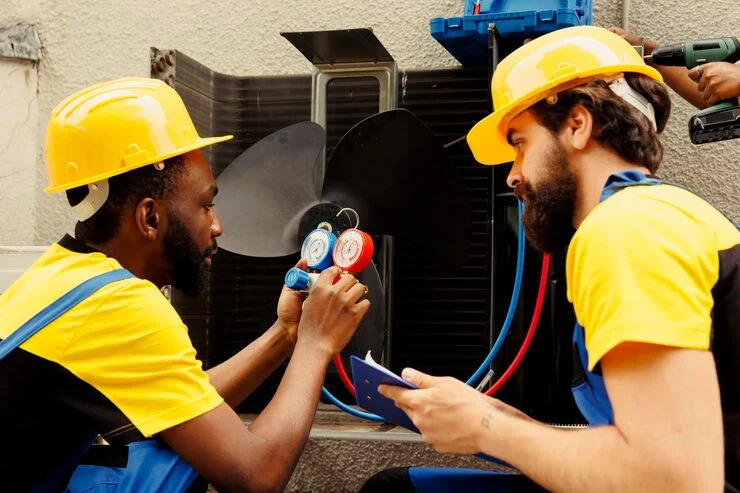
6. Schedule Regular Professional Maintenance
HVAC systems can be operated at their best through regular maintenance.
The yearly maintenance usually consists of:
- Heaps and component cleaning
- Refrigerant levels checking
- Electrical connections inspection
- Proper airflow ensuring
Systems that are kept in good condition are more dependable and cheaper to run…
How to Save Energy in HVAC Systems During Summer?
During the warmest months, cooling is usually the major factor in energy consumption.
Energy-saving suggestions are the following:
- Raise the thermostat level while not at home
- Turn on the ceiling fans to assist the movement of air
- Keep the windows and/or doors closed with blinds or curtains on them during the hottest hours
- Do not do anything that generates heat during the day
Adopting these practices along with using efficient devices will ensure that the HVAC system’s energy efficiency is the highest possible.
How to Cut Down Energy Consumption in HVAC Systems during the Winter Season?
Heating systems are still one of the major energy consumers during winter.
Here are some of the best practices to follow:
- Reducing thermostat settings by a few degrees
- Taking advantage of zoned heating if it is available
- Blocking air leaks around windows and doors
- Allowing sunshine to heat rooms naturally during the day
- Little changes in habits can result in big savings.
Zoning Systems and HVAC Energy Efficiency
Zoned HVAC systems provide the possibility of altering the temperature of the different parts of a building separately.
The advantages of zoning are:
- Over-conditioning of unoccupied spaces is eliminated
- Comfort control is improved
- Overall energy usage is reduced
- Zoning is a sophisticated yet very effective technique to boost HVAC energy efficiency, especially in large houses.
The Role of Ventilation in Energy Efficiency
Proper ventilation can improve indoor air quality and energy consumption at the same time.
Ventilation methods that do not require energy use are:
- Energy recovery ventilators (ERVs)
- Heat recovery ventilators (HRVs)
The mentioned systems perform the switching of stale indoor air and fresh outdoor air at the same time, keeping the heat or cooling; thus, overall efficiency is supported.
Recurrent HVAC energy efficiency mistakes
The following energy wastage solutions should be avoided:
- Neglecting regular maintenance
- Ventilation obstruction with furniture
- Heating and cooling systems operate 24/7 at extreme temperatures
- Outdated thermostats
- Postponing insulation improvement
Asking and answering these questions is a must when it comes to learning about ways of improving HVAC system energy efficiency.
Cost versus Savings: Is It Worth Enhancing the HVAC Efficiency?
There are times when a modern facility is a must in the light of energy efficiency, and the costs as well as the savings are going to be there in the long-run.
The potential benefits are:
- Reduced monthly utility bills
- Less maintenance and repair
- More property value
- Comfort and reliability improvements
Besides, quite a few energy-efficient upgrades come attached with rebates or even tax deductions.
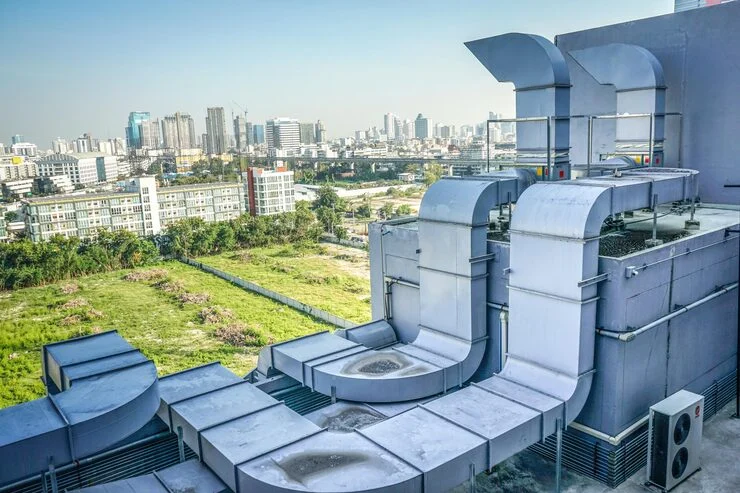
HVAC Energy Efficiency for Businesses
Larger-scale consumption makes commercial buildings get the most out of efficient HVAC systems.
Major techniques are:
- Automated building management systems
- Regular energy audits
- High-efficiency rooftop units
- Employee energy-awareness programs
It’s quite a significant cut in operating costs for businesses just by improving HVAC energy efficiency.
Final Thoughts: Making HVAC Energy Efficiency Simple
Increasing the energy efficiency of HVAC systems is one of the most intelligent and money-saving methods, as it also minimizes energy waste and enhances indoor comfort. All steps matter, from the simplest changing of air filters to more advanced installations like that of high-efficiency equipment.
By knowing the methods for improving the energy efficiency of HVAC systems and by practicing the simple strategies for saving energy in HVAC systems, users in both commercial and residential sectors can reap the benefits of lower bills, better comfort, and a more sustainable future.
Energy efficiency is not a comfort sacrifice—it is a matter of using energy wisely.