

Nowadays, how to reduce carbon emissions at home has become a priority for many people. Creating a sustainable future is for everyone, and there is a need to create awareness. One of the primary drivers of climate change, which has detrimental effects on the ecosystem, is carbon emissions.
There is a great deal that needs to be done if you want to reduce carbon emissions. In this article, we will examine the various aspects of carbon emissions and offer ways to reduce your carbon footprint at home.
What is Carbon Emission?
Carbon emissions describe the atmospheric release of carbon dioxide (CO2) and other greenhouse gases, mostly from the burning of fossil fuels. Reducing carbon emissions is not just an environmental objective, but also a strategic requirement for communities and enterprises dealing with market, financial, and regulatory challenges.
Reducing carbon dioxide emissions at the corporate and individual levels helps future-proof operations and has a quantifiable influence on global climate objectives. Since carbon dioxide is responsible for most greenhouse gas emissions globally, it is the main cause of climate change.
Fossil fuels are still used to create most energy, which speeds up climate change and exposes companies to growing expenses and legal problems. Global greenhouse gas emissions may be reduced by up to 40% by 2040 thanks to data-driven policies and attainable initiatives like energy conservation and the usage of clean energy.
How Carbon Emissions Impact the Environment
Before we look at how to reduce carbon emissions, it is important to briefly expound on the environmental impact. The excessive release of carbon dioxide is caused by several environmental issues, such as melting ice caps, rising temperatures, and an increase in the frequency of extreme weather occurrences.
Additionally, it threatens ecosystems throughout the planet and causes biodiversity to decline. Thus, reducing carbon emissions is essential to slowing down climate change and protecting our world for coming generations.
Carbon emissions have significant effects on human health in addition to their effects on the environment. Sulfur dioxide, nitrogen oxides, and other pollutants emitted with carbon dioxide can cause respiratory disorders, heart difficulties, and other health concerns. Children, the aged, and those with pre-existing medical disorders are among the vulnerable groups most at risk from the negative consequences of air pollution brought on by carbon emissions.
Importance of Reducing Carbon Emissions
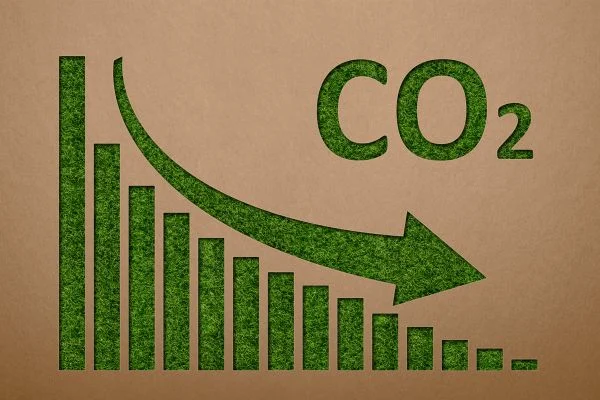
Reducing carbon emissions is crucial because it can lessen the hazardous and detrimental consequences that elevated carbon dioxide levels have on the ecosystem. There are several benefits to reducing carbon emissions. Let’s find out more about these benefits.
Reduce wildfires
Carbon emissions and wildfires are linked in a destructive cycle. Wildfires release dangerous levels of carbon emissions, and increasing carbon emissions lead to extreme weather events like heat waves, which frequently fuel wildfires. Reducing carbon emissions can ease some of the responsibilities on fire departments, emergency responders, and forest and land management.
Save lives
Air pollution can have a negative impact on human health, causing chronic illnesses and early mortality. Researchers have shown that carbon emissions cause poor air quality, which can cause lung illness, diabetes, high blood pressure, heart attacks, and strokes. Scientists claim that cutting carbon emissions will improve air quality and save thousands of lives.
Reduce healthcare workload
People with already existing chronic diseases have worsening health problems due to poor air quality, which increases their frequent medical visits can put an excessive strain on the healthcare system. Healthcare practitioners can treat patients more easily when these emissions are reduced.
Practical Tips on How to Reduce Carbon Emissions
For both homes and companies, focused efforts on how to reduce carbon emissions provide measurable outcomes. Studies have shown that by 2040, energy-efficient technologies can reduce global greenhouse gas emissions by 40%. No matter how minor, every improvement contributes to eco-driven emission management and reduces household energy emissions.
Selecting Sustainable Energy Sources
A great long-term way to reduce carbon emissions is to switch to Low Carbon Energy sources like solar or wind power. By adding solar panels to your house, you can reduce your fossil fuel needs and become more self-sufficient. The government offers several incentives and initiatives to encourage the use of renewable energy sources.
Participating in a neighborhood solar project is an additional choice to think about. With community solar, several homes might benefit from an off-site solar system. This method is especially helpful for people who might not have roofs that are ideal for solar panels or who cannot afford the initial expenses of installing their own solar system.
Preventing Food Waste
It turns out that the methane gas released during the breakdown process might potentially cause emissions from food waste. Methane gas is produced when food waste decomposes. Among the greenhouse gases that contribute to global warming is methane. To avoid food waste accumulation, you should buy and eat food in moderation.
Use energy-efficient appliances
You can significantly reduce your carbon footprint by making little, everyday behavioral and habitual adjustments. Simple actions that can have a big impact include using natural light instead of artificial lighting, turning off lights when not in use, and modifying thermostat settings.
Other ways to reduce your carbon footprint are to use cold water for washing and to disconnect gadgets when not in use. Buying energy-efficient appliances is another smart strategy to save energy at home. Because they use less energy, appliances with the ENERGY STAR label reduce your carbon footprint. Over time, switching to energy-efficient air conditioners, washing machines, and refrigerators can result in significant energy savings.
Plant trees
Deforestation is one of the main drivers of carbon emissions. When trees are chopped down, they lose their ability to absorb carbon dioxide from the atmosphere. One of the cheapest and most natural methods to fight climate change and reduce its detrimental effects on the environment is to plant trees.

Make your driving more efficient
Although it may not be feasible for everyone to live a car-free lifestyle, consider using public transportation such as bicycles, buses, or trains instead of cars. Reduce the amount of fossil fuel emissions you produce when driving by using the air conditioner sparingly and accelerating carefully. For optimal fuel efficiency, check your tire pressure, carpool whenever you can, and if you want a new car, think about getting an electric or hybrid.
Use Non-Toxic Items
In addition to being petroleum-based, most home cleansers and other items are poisonous. All it takes to get rid of toxic chemicals in the house is to make careful grocery store selections after learning where the risks are in everyday consumer goods. How can you identify the toxins in your house, and what items may be safe alternatives?
The Link Between Energy Use and Carbon Emissions
One important tactic to reduce carbon emissions in your home is to use less energy. You can reduce your influence on the environment and utility costs by optimizing your heating and cooling systems, adopting energy-efficient appliances, and properly insulating your homes.
Additionally, energy efficiency benefits both the environment and human health. You can enhance air quality and reduce respiratory ailments caused by pollution by cutting back on your energy use, which also lowers the need for fossil fuels.
Conclusion
It is not hard to learn how to reduce carbon emissions if we start with a few everyday routines. Maintaining the world for future generations is a responsibility for everyone. Therefore, following the tips in this article will help make the environment more sustainable and healthier.
Cutting carbon emissions at home benefits future generations as well as the environment and your personal health. Everyone can change the world by learning about the effects of carbon emissions, putting energy-efficient practices into place, and leading a sustainable lifestyle.